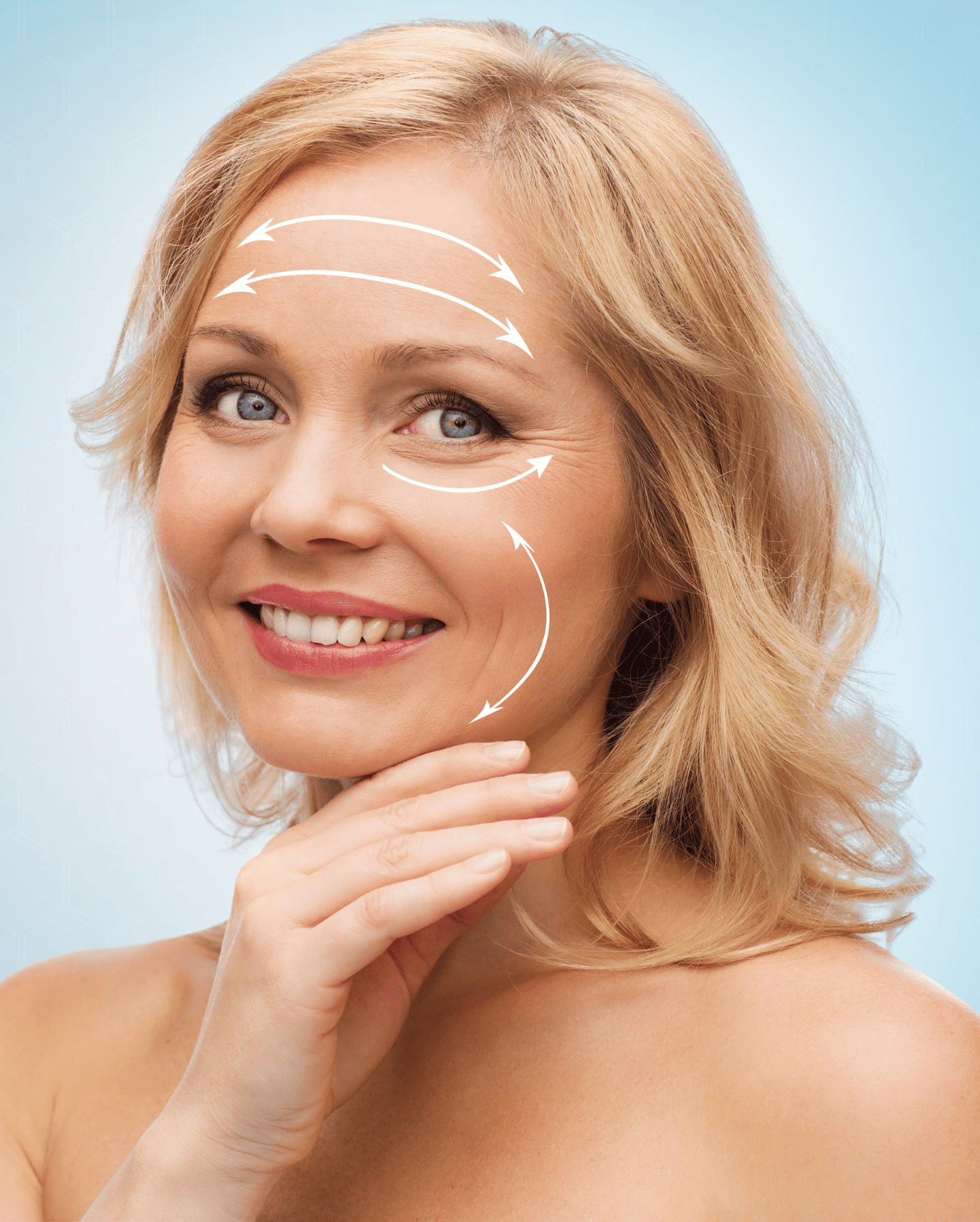
Korean Anti-Aging Surgery vs Non-Surgical Treatments: What Works Better?
Surgical anti-aging treatments in Korea (like facelift and neck lift) deliver stronger, longer-lasting results (7–15+ years) by correcting deeper structural aging, while non-surgical treatments (fillers, Botox, lasers) offer temporary, subtle improvements (6–24 months) with minimal downtime. The best choice depends on your level of aging, goals, and willingness for recovery.

Understanding the Core Difference
The key difference is simple:
- Surgery = structural correction
- Non-surgical = surface-level improvement
Surgical procedures physically reposition sagging tissues and remove excess skin, while non-surgical treatments enhance appearance without changing underlying anatomy.
What Surgical Anti-Aging Can Do
Examples in Korea
- Deep plane facelift
- SMAS facelift
- Neck lift
- Blepharoplasty
What It Treats
- Sagging skin
- Jowls and loose jawline
- Deep wrinkles
- Structural aging
Results
- Dramatic, visible lifting
- Natural but significant rejuvenation
- Long-lasting 7–15+ years
Surgery addresses the root cause of aging (tissue descent), which is why results last much longer.
What Non-Surgical Treatments Can Do
Common Treatments in Korea
- Botox (wrinkle relaxation)
- Fillers (volume restoration)
- Ultherapy / Thermage (skin tightening)
- Skin boosters (Rejuran, Juvelook)
What They Treat
- Fine lines
- Mild volume loss
- Early skin laxity
- Skin texture and glow
Results
- Subtle, natural improvement
- Immediate or fast results
- Temporary: 6–24 months
These treatments are ideal for early aging or maintenance, not structural lifting.
Key Comparison: What Works Better?
1. Effectiveness (Visible Change)
- Surgery: Strong, transformative results
- Non-surgical: Mild to moderate improvement
Facelifts produce more dramatic and comprehensive rejuvenation than injectables or devices.
2. Longevity
- Surgery: 7–15+ years
- Non-surgical: 6–18 months (threads), 6–24 months (fillers)
👉 Surgery clearly wins in long-term results
3. Downtime
- Surgery: 2–3 weeks recovery
- Non-surgical: little to no downtime
👉 Non-surgical wins for convenience
4. Cost (Short vs Long Term)
- Surgery: Higher upfront cost
- Non-surgical: Lower per session but repeated
Over time, repeated fillers and treatments can equal or exceed surgery cost.
5. Natural Results
- Surgery (Korea): natural structural lifting
- Non-surgical: subtle, gradual enhancement
Both can look natural—but surgery provides a more complete and balanced result.
Who Should Choose Surgery?
You are a better candidate for surgical anti-aging if you have:
- Moderate to advanced sagging
- Visible jowls or loose neck
- Deep wrinkles and folds
- Desire for long-term results
👉 Surgery is the most effective solution for real aging changes
Who Should Choose Non-Surgical Treatments?
Non-surgical options are better if you:
- Have mild or early aging
- Want no downtime
- Prefer gradual improvement
- Are not ready for surgery
👉 Best for maintenance or prevention
The Korean Approach: Combination Strategy
In Korea, it’s not “either-or”—it’s strategic combination:
- 30s–40s: non-surgical treatments for prevention
- 40s–60s: surgery for structural correction
- After surgery: non-surgical treatments for maintenance
This layered approach delivers:
- Better longevity
- More natural aging
- Optimized results over time
Important Reality Check
Non-surgical treatments cannot replace surgery.
- They do not remove excess skin
- They cannot reposition deep tissues
- They cannot fully correct sagging
They are best seen as:
👉 Enhancement tools, not replacements
Final Verdict: What Works Better?
- For mild aging → Non-surgical treatments work well
- For real sagging → Surgery works significantly better
👉 The deeper the aging, the more you need surgery
Final Thoughts
Korean anti-aging treatments are highly advanced—but the key is choosing the right approach for your stage of aging.
- Non-surgical = convenient, subtle, temporary
- Surgery = powerful, long-lasting, structural
The best results often come from combining both at the right time, not choosing one over the other.