Best Age for Facelift in Korea: 40s vs 50s vs 60s (Cost & Results)
Best Age for Facelift in Korea: 40s vs 50s vs 60s (Cost & Results)
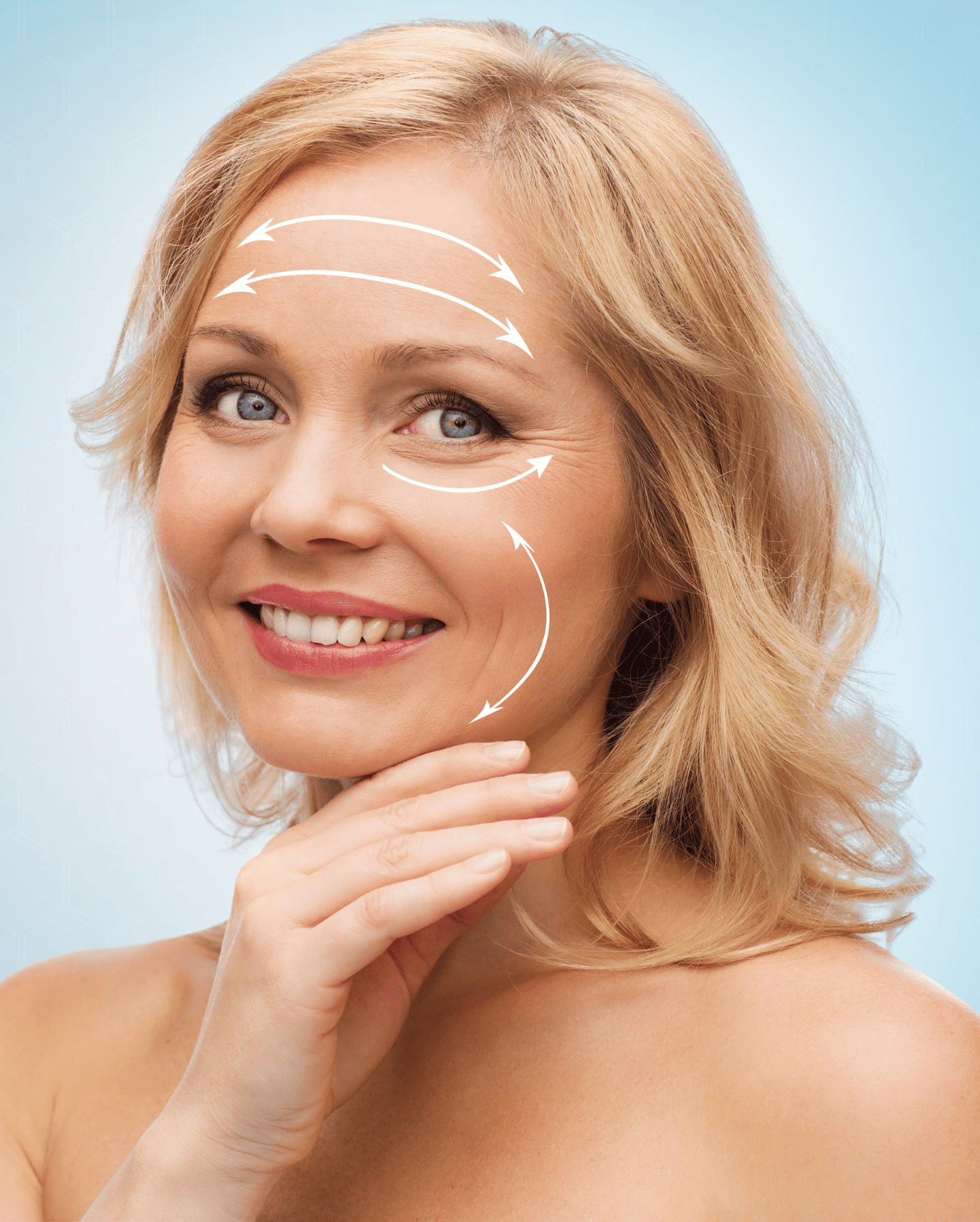
There is no single “perfect age” for a facelift, but most patients in Korea undergo the procedure between their 40s and 60s.
Facelifts in your 40s focus on prevention and subtle lifting, while your 50s are often considered the “ideal timing” for balanced results.
In your 60s, results can still be dramatic, but require more extensive surgery and longer recovery.
Is There a “Best Age” for a Facelift?
The truth is:
👉 There is no fixed best age—it depends on your skin quality, aging pattern, and goals
However, most patients fall into this range:
- 45–65 years old (most common)
Each decade offers different advantages and trade-offs.
Facelift in Your 40s: Early Intervention & Prevention
Typical Cost in Korea
- 💰 4M – 10M KRW (mini lift / early SMAS)
What Aging Looks Like
- Early jawline softening
- Mild jowls
- Slight skin laxity
Results You Can Expect
- Subtle, natural refresh
- Defined jawline without drastic change
- Prevents further aging progression
👉 Patients in their 40s often choose mini facelift or limited lift
Pros
✔ Best skin elasticity → faster recovery
✔ Very natural, “undetectable” results
✔ Long-lasting maintenance effect
Cons
✖ Less dramatic transformation
✖ May feel “too early” for some patients
👉 Studies show patients under 50 often have higher long-term satisfaction and longer-lasting results
Facelift in Your 50s: The “Sweet Spot”
Typical Cost in Korea
- 💰 8M – 18M KRW (SMAS or deep plane)
What Aging Looks Like
- Visible jowls
- Deeper nasolabial folds
- Early neck sagging
Results You Can Expect
- Noticeable but natural rejuvenation
- Lifted mid-face + jawline
- More youthful facial structure
👉 Many surgeons consider the 50s the ideal timing for facelift
Pros
✔ Best balance of cost vs results
✔ Enough aging to justify surgery
✔ Still good skin elasticity
Cons
✖ Slightly longer recovery than 40s
✖ May require combination procedures
👉 This is where deep plane facelift delivers the most “wow but natural” results
Facelift in Your 60s: Maximum Correction
Typical Cost in Korea
- 💰 12M – 25M+ KRW (deep plane + neck lift)
What Aging Looks Like
- Significant skin laxity
- Deep folds and volume loss
- Neck sagging
Results You Can Expect
- Dramatic rejuvenation
- 10–15 years younger appearance
- Improved facial definition
👉 Surgery is often more comprehensive at this stage
Pros
✔ Most visible transformation
✔ Can address multiple aging concerns at once
✔ High impact results
Cons
✖ Longer recovery
✖ Skin elasticity is reduced
✖ Results may not last as long as younger patients
👉 Facelifts in your 60s can still be highly effective, especially with deep plane techniques
40s vs 50s vs 60s: Key Comparison
1. Results
- 40s → subtle, preventative
- 50s → balanced, noticeable
- 60s → dramatic, corrective
2. Longevity
- 40s → longest-lasting (best skin quality)
- 50s → strong longevity
- 60s → effective but may age faster afterward
3. Cost
- 40s → lowest (mini lift)
- 50s → mid-range
- 60s → highest (full + combined procedures)
4. Recovery
- 40s → fastest
- 50s → moderate
- 60s → longest
Which Age Is Actually “Best”?
Best for Natural Long-Term Results → 40s
- Preventative approach
- Subtle and long-lasting
Best for Overall Value → 50s
- Most balanced timing
- Strong improvement + good longevity
Best for Maximum Transformation → 60s
- Most visible change
- Full facial rejuvenation
Why Many Patients in Korea Choose Earlier Surgery
In Korea, the trend is shifting toward:
👉 earlier, natural-looking facelifts (40s–50s)
Because:
- Patients want subtle, undetectable results
- Deep plane techniques allow natural outcomes
- “Maintenance” approach avoids drastic aging
Important: Age Matters Less Than Your Face
Instead of focusing only on age, surgeons evaluate:
- Skin elasticity
- Facial volume loss
- Degree of sagging
- Previous treatments (fillers, threads)
👉 Two patients of the same age can need completely different procedures.
Final Thoughts: When Should YOU Get a Facelift?
- 40s → best for prevention and subtle refinement
- 50s → best balance of cost, results, and timing
- 60s → best for major correction and rejuvenation
👉 The “best age” is when:
- Non-surgical treatments stop working
- Sagging becomes noticeable
- You want long-term structural improvement
Bottom Line
There is no universal perfect age—but:
👉
40s = early optimization
👉
50s = ideal timing (most recommended)
👉
60s = powerful transformation
In Korea, the goal is not to look different—but to look like a younger, refreshed version of yourself at the right time.